# Protective Structures
These structures are designed to minimize damage to other irrigation structures especially during extreme conditions.
# Drainage Structure
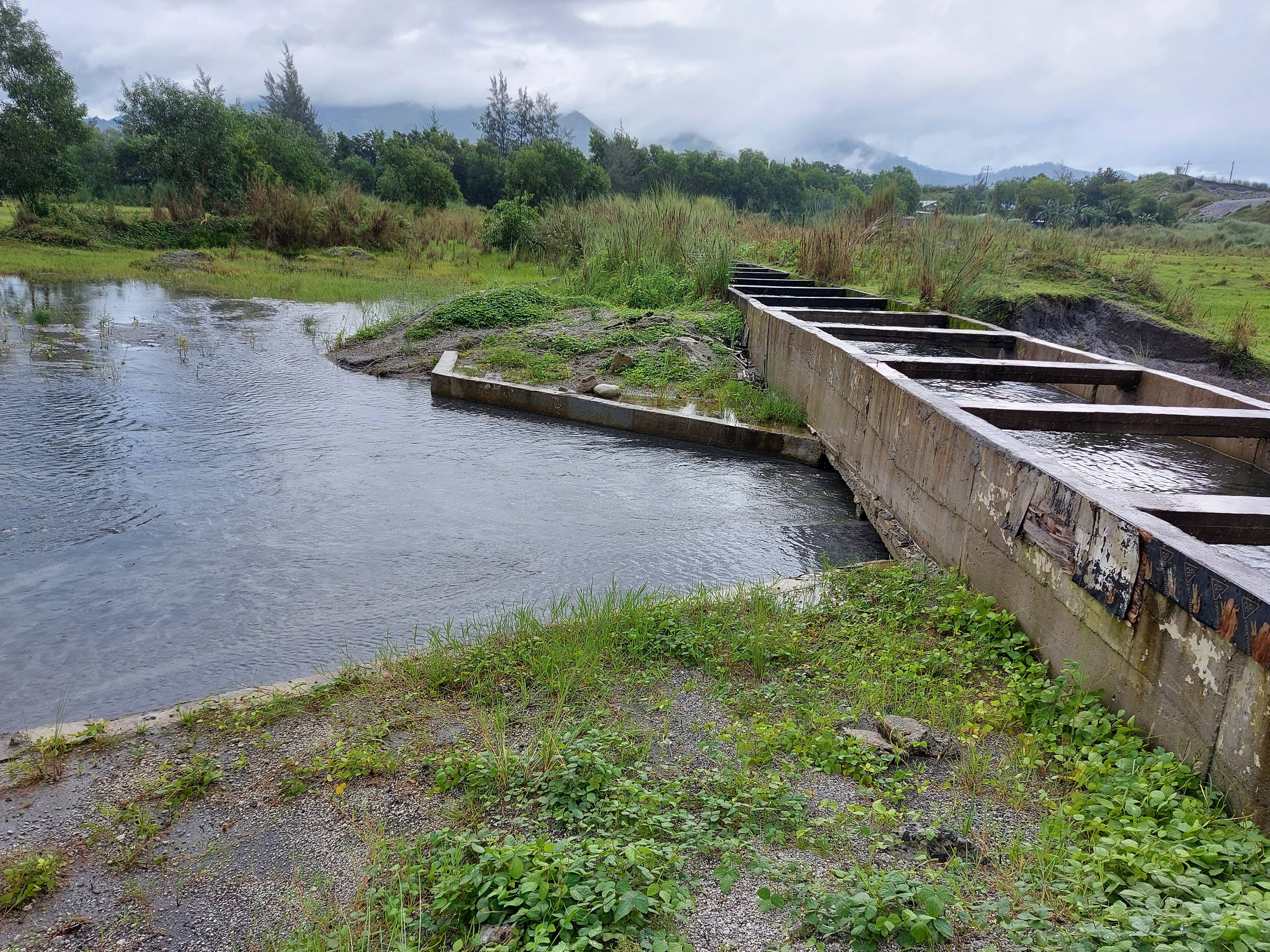
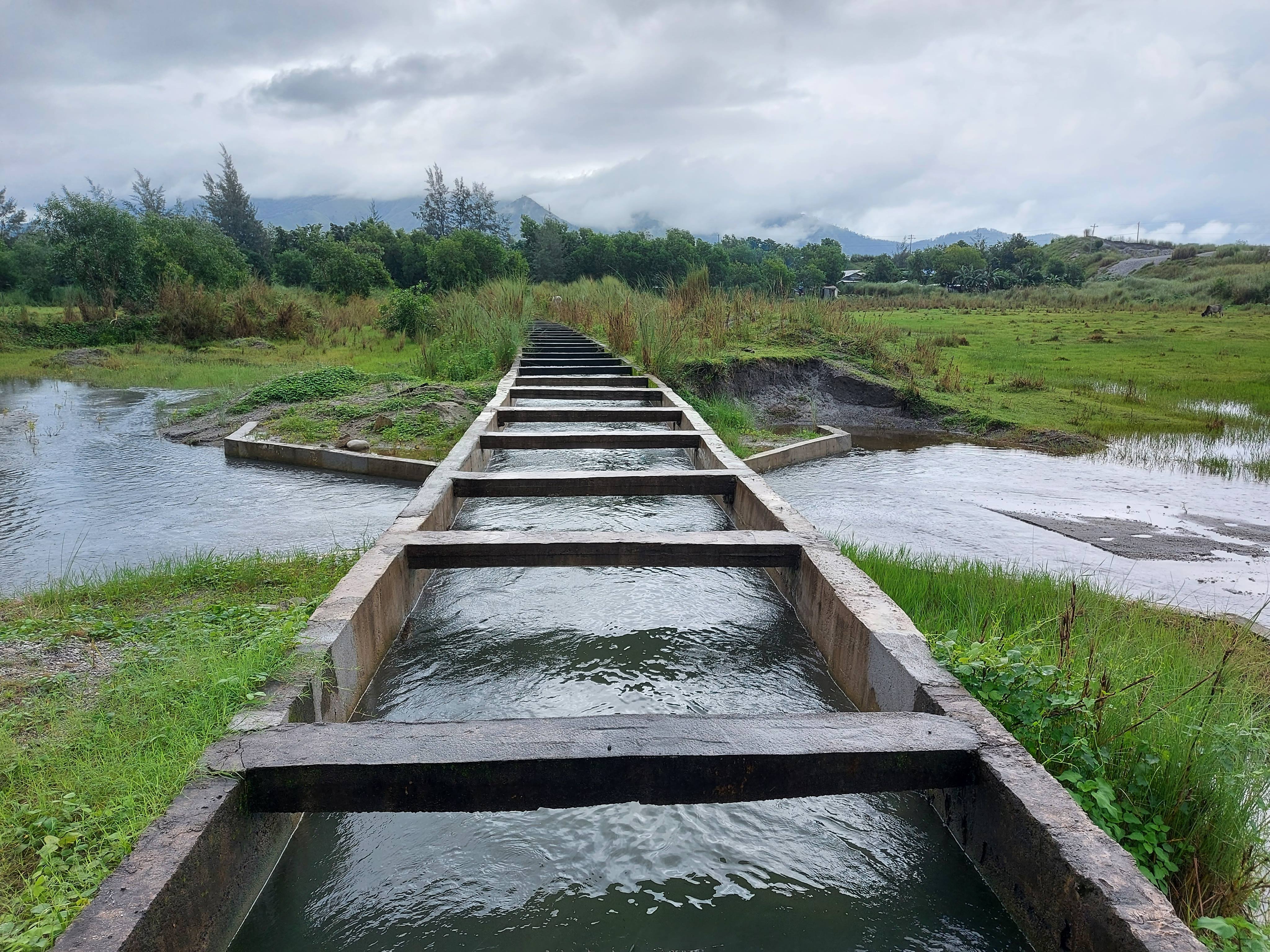
# Drops
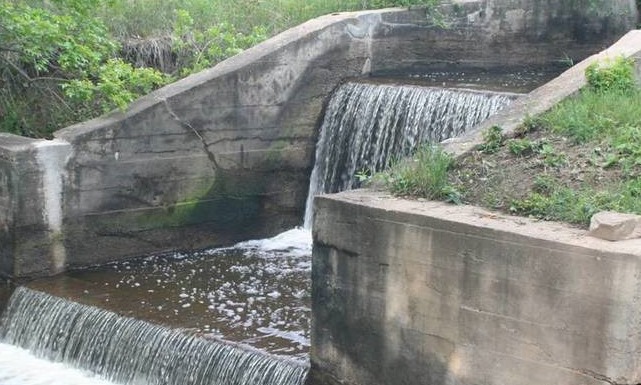
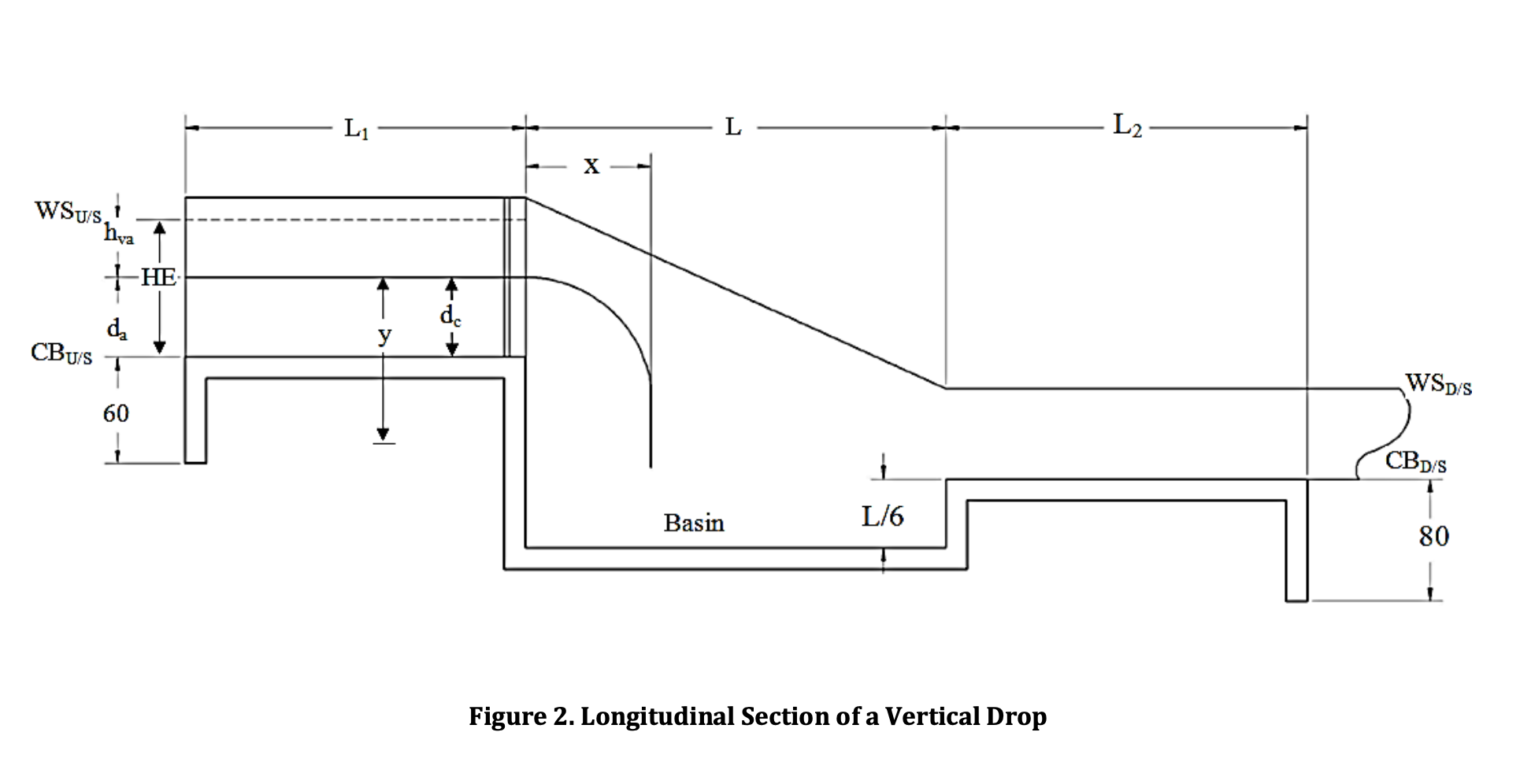
Vertical Drop
# Spillway
Below are the most commonly used type of spillways.
# Straight Drop Spillway
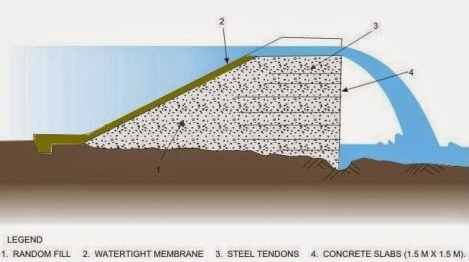
# Ogee Spillway
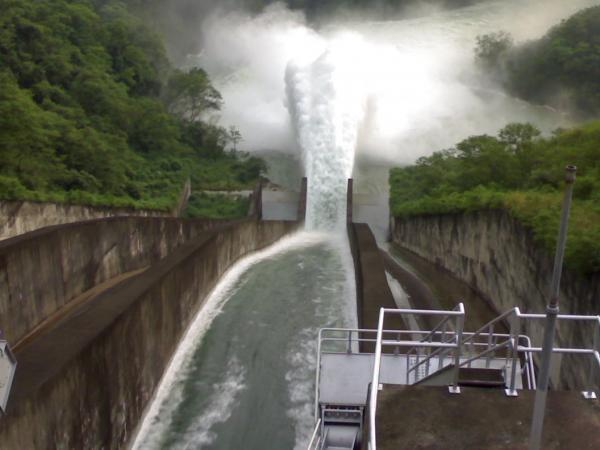
Pantabangan Spillway
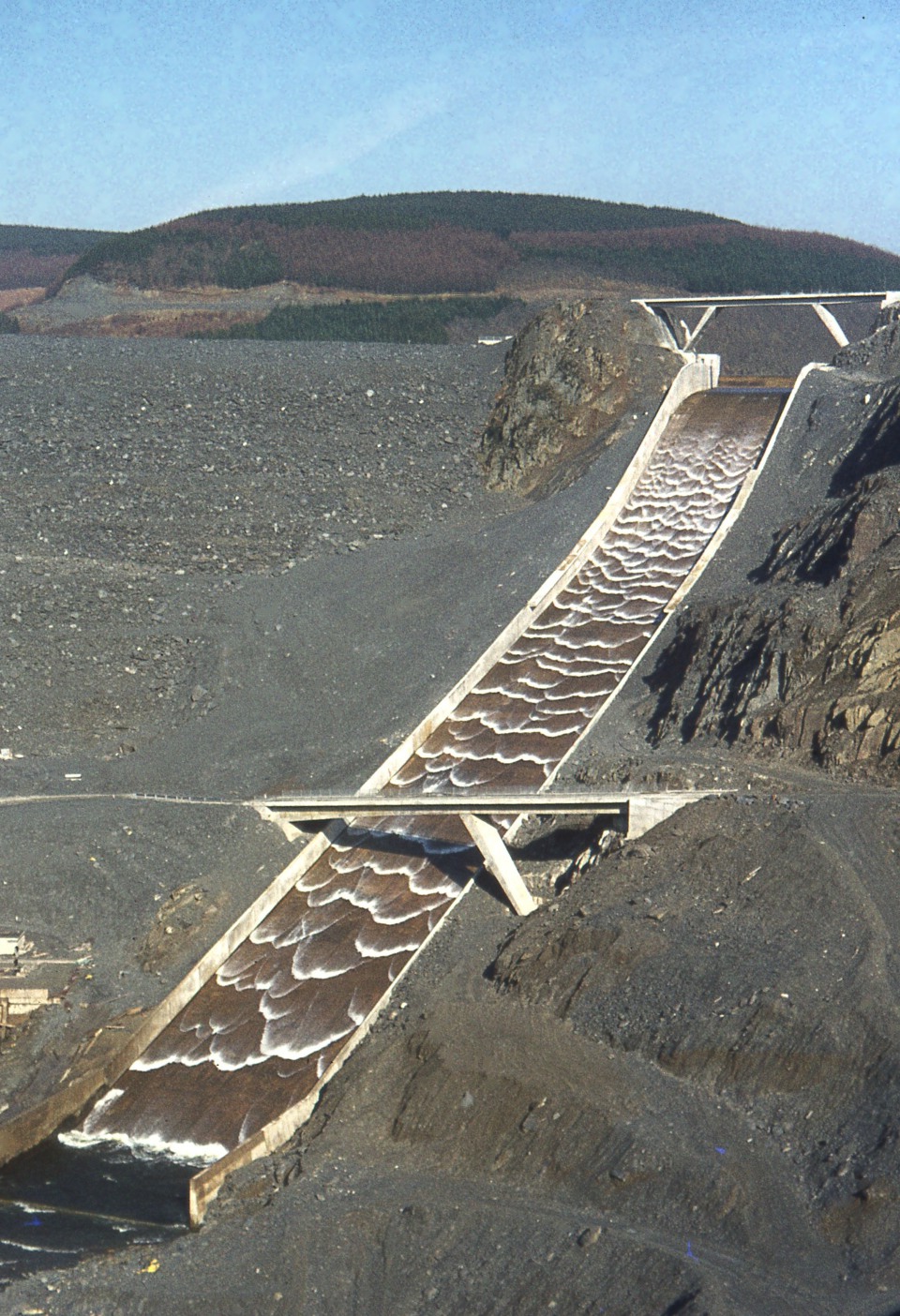
# Chute Spillway
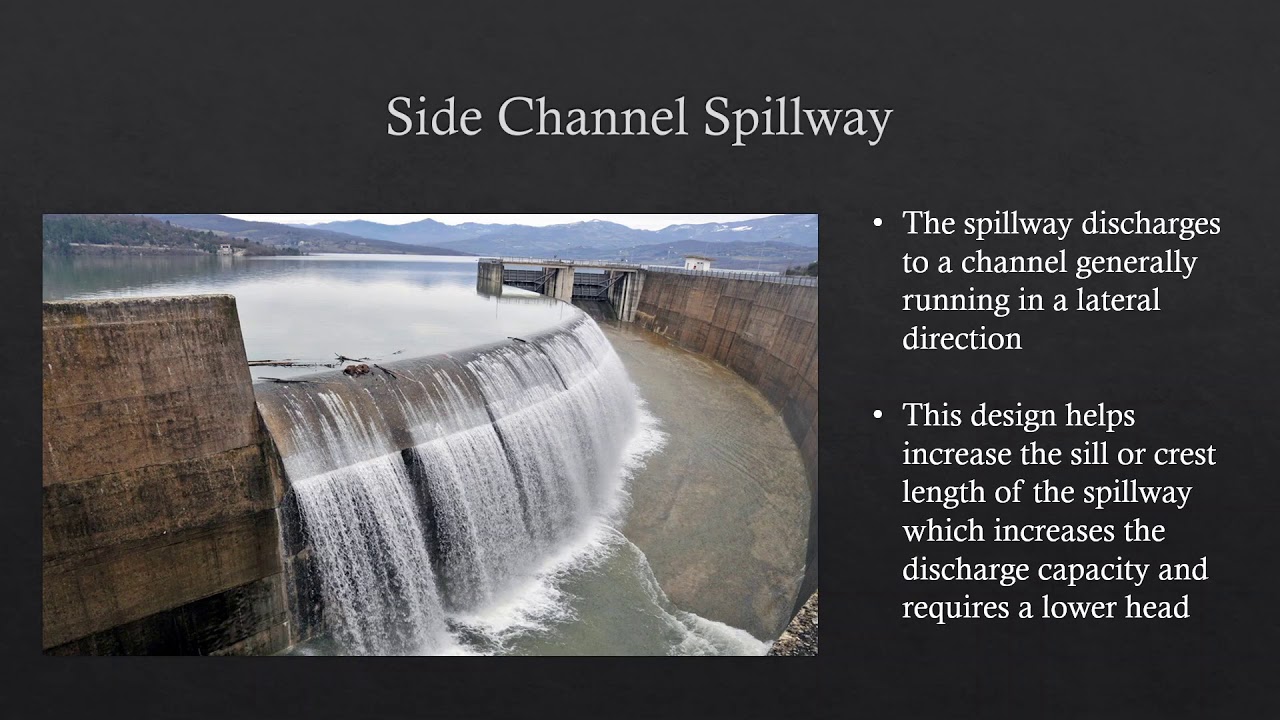
# Side Channel Spillway
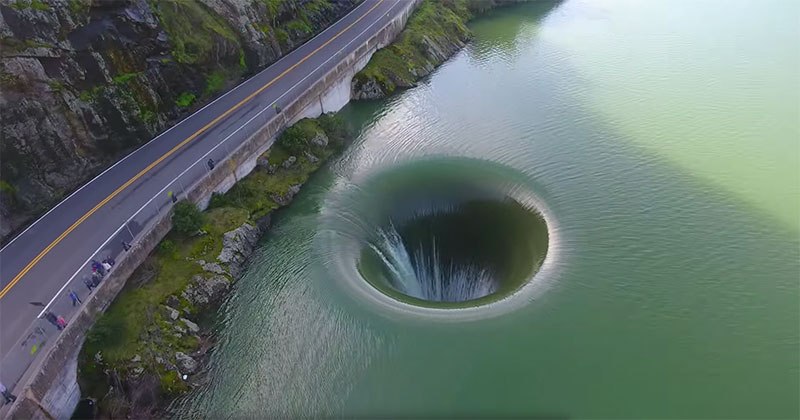
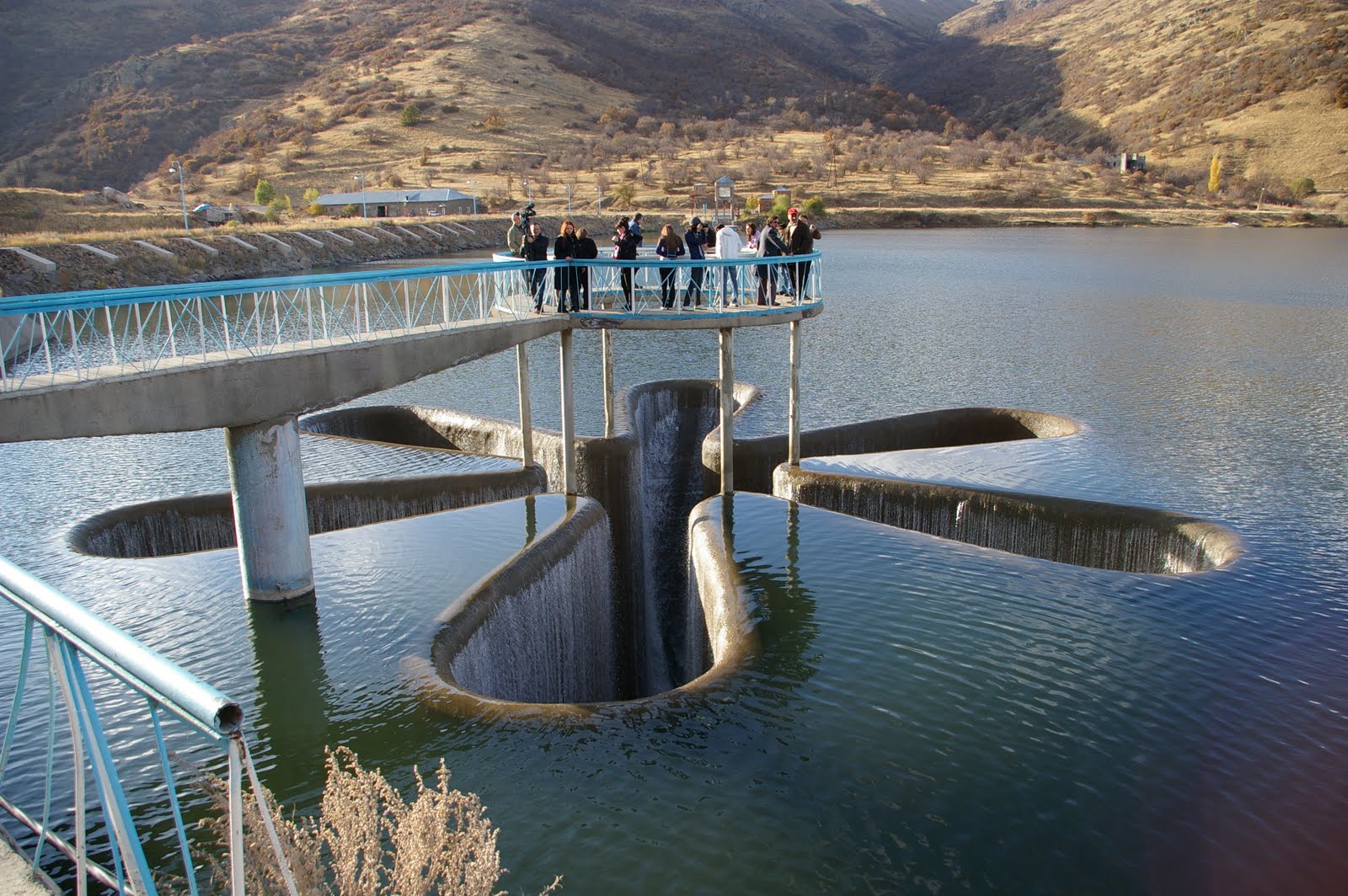
# Shaft Spillways
# Rectangular Weir Equation
where:
Q = discharge capacity of the weir
H = available head
C_d = weir constant
# Transitions
Transitions are intermediate structures constructed when connecting either two (2) channels of different section or when connecting a channel to a canal structure.
Most transitions that are interfacing different types of materials (e.g. concrete and earth) are equiped with cut-off-walls. This is to minimize the creep of water under the structure.
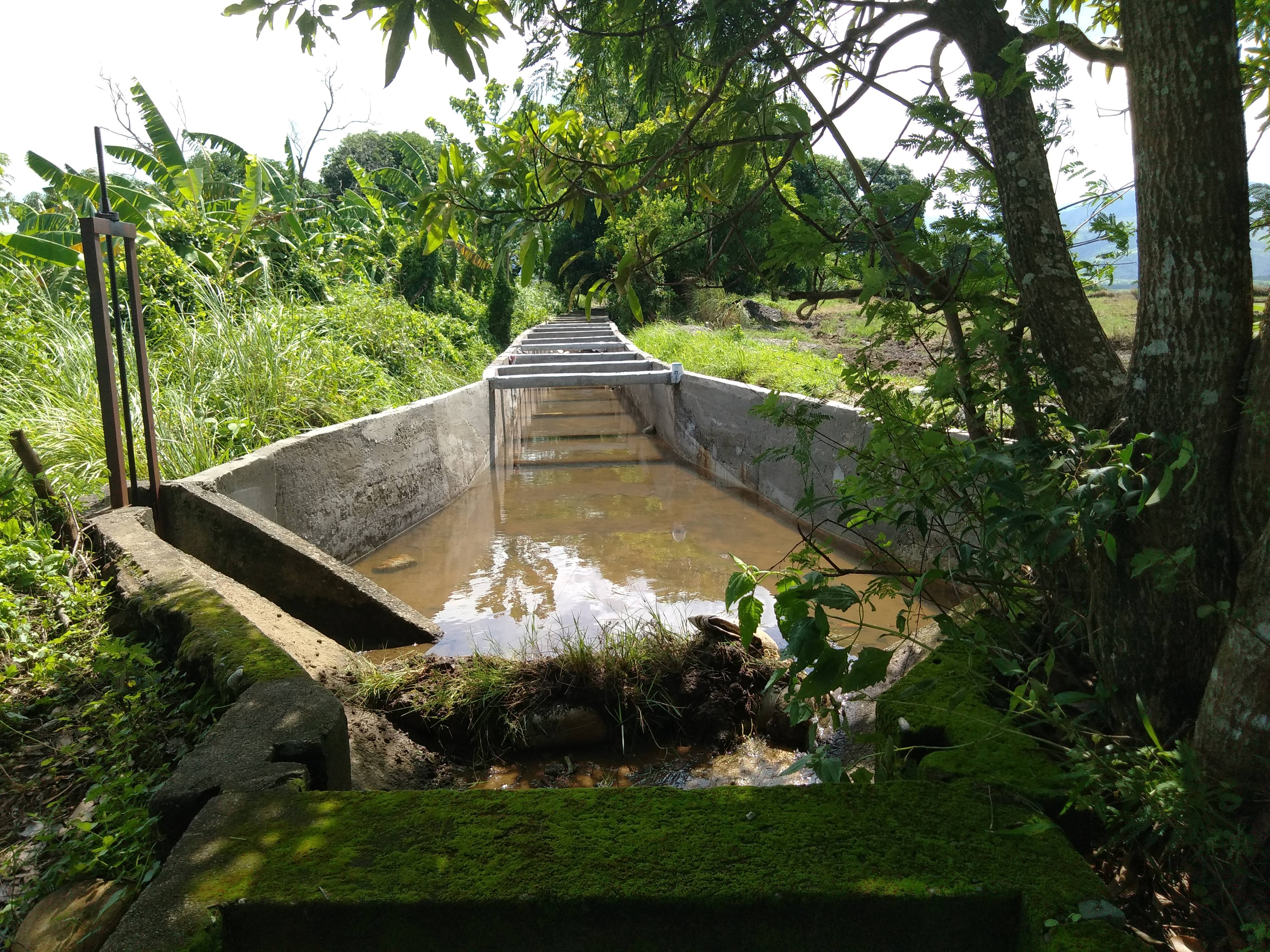
Transition in a regulating structure
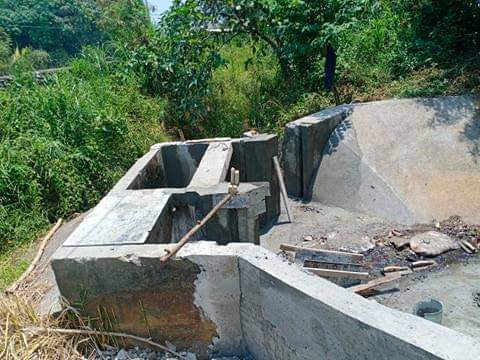
Transition in an inverted siphon inlet
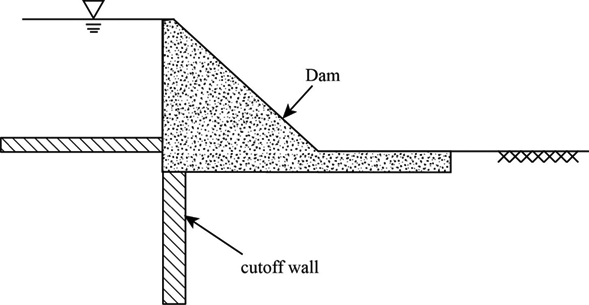
# Cut-Off-Walls
Cut-offs are constructed as part of a larger structure
They are used to prolong the travel of seepage creep under a structure minimizing or eliminating the potential damage that it may cause.
# Stilling Pool
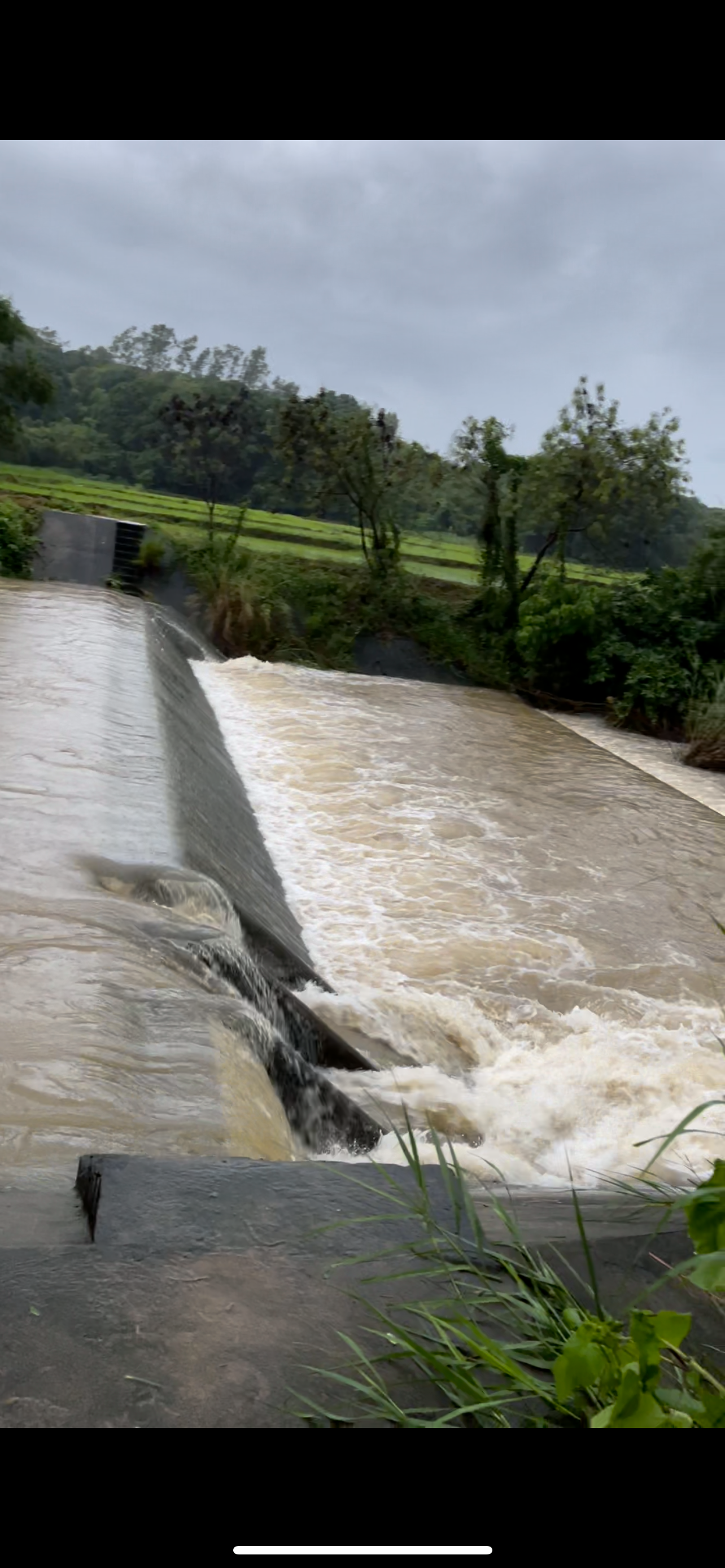
Stilling pool at Panan-Dalayap Diversion Dam
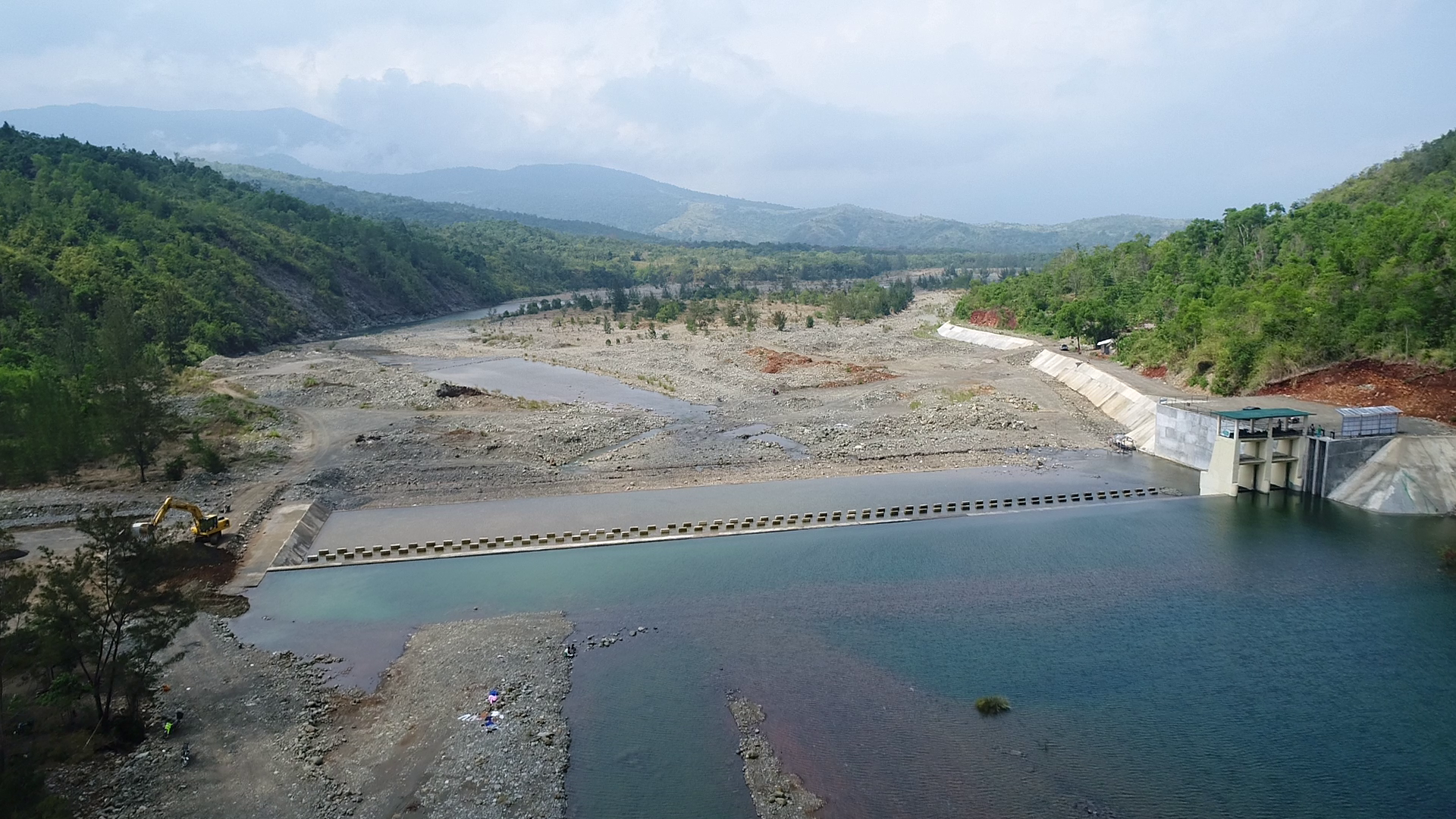
# Chute/Baffle Blocks
# Pros
- They help dissipate energy of the water, thus reducing the required length of the downstream apron or stilling pool.
# Cons
- Not suitable for bouldery areas